Spacing Issues Treatment in Nagpur : Unlocking Your Perfect Smile
A beautiful, confident smile is a universal asset, and for many, that means addressing gaps between teeth. While some may embrace a gap-toothed look, for others, it can be a source of discomfort and an impediment to proper oral function. Spacing issues treatment, also known as diastema treatment, involves a range of procedures designed to close these gaps, improve aesthetics, and ensure a healthy bite. Seeking an experienced orthodontist is the key to creating a personalized plan for a lasting, radiant smile.
Dr. Minase’s Orthodontic Center & Dental Clinic in Nagpur
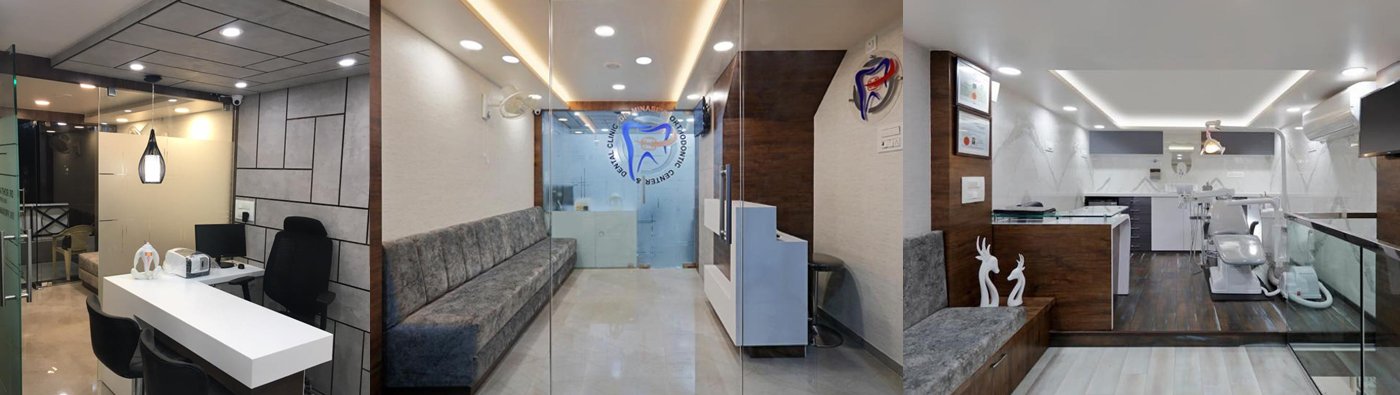
For comprehensive and expert dental care in Nagpur, Dr. Minase’s Orthodontic Center & Dental Clinic is a trusted name. The clinic, led by highly qualified professionals, is a leader in orthodontic treatment, including jaw alignment treatment and teeth straightening treatment. They offer a full spectrum of dental services, from pediatric dentistry and smile designing to advanced procedures like root canal treatment and dental implants. The team at Dr. Minase’s Orthodontic Center & Dental Clinic is committed to providing personalized and high-quality care to help you achieve a healthy and beautiful smile.
Symptoms and Causes of Dental Spacing
Symptoms
The primary symptom of dental spacing is a visible gap between two or more teeth. While most commonly seen between the two upper front teeth, spaces can occur anywhere in the mouth. Other related symptoms may include:
- Difficulty with speech, particularly a lisp, due to the space allowing air to escape.
- Trapping of food and plaque in the gaps, increasing the risk of cavities and gum disease.
- An aesthetic concern that can affect self-confidence.
Causes
- Spacing issues treatment often begins with identifying the root cause of the gaps. Several factors can contribute to dental spacing:
- Genetics: The size of your teeth and your jawbone is often a hereditary trait. If your jaw is too large for your teeth, or your teeth are naturally small, spaces can form.
- Missing Teeth: A congenitally missing tooth or a tooth lost due to trauma or extraction can cause the surrounding teeth to shift and create gaps.
- Oral Habits: In children, habits like prolonged thumb-sucking or pacifier use can exert pressure on the front teeth, pushing them forward and creating spaces.
- Tongue Thrusting: An abnormal swallowing reflex where the tongue pushes against the front teeth can gradually create gaps over time.
- Oversized Frenum: The labial frenum is the tissue that connects your upper lip to your gums above your two front teeth. If this tissue is overgrown, it can prevent the two front teeth from coming together, resulting in a gap.
- Gum Disease: Advanced gum disease, or periodontitis, can cause the bone supporting the teeth to erode. This can lead to teeth becoming loose and shifting, creating new spaces.
Procedures for Spacing Issues Treatment
The type of spacing issues treatment recommended depends on the cause and severity of the gaps. An affordable orthodontic consultation with a qualified dental professional is the first step to determining the best course of action.
Orthodontic Treatment
Orthodontic solutions are the most common and effective way to close dental gaps, as they address the underlying issue of tooth position.
- Metal Braces: Traditional teeth metal braces are a highly effective method for closing gaps. They use a system of brackets and wires to apply consistent pressure, gradually moving the teeth closer together.
- Clear Aligners: For a discreet alternative, clear aligners such as Invisalign are an excellent choice. These transparent, removable trays are custom-made to fit your teeth and are changed every two weeks to progressively close the gaps. A top dentist for clear aligners can provide a personalized plan for your smile.
- Lingual Braces: For those who want a completely invisible option, lingual braces are an ideal solution. These braces are bonded to the back of the teeth, making them undetectable from the front. Finding the best lingual orthodontist doctor is crucial for this specialized treatment.
- Orthodontic Retainer: Following the completion of your orthodontic treatment, an orthodontic retainer is essential. It prevents your teeth from shifting back and ensures the long-term stability of your new smile.
Restorative and Cosmetic Treatments
In cases of small gaps or when a full orthodontic treatment isn’t necessary, a dentist may recommend cosmetic or restorative procedures.
- Dental Veneers: Thin, custom-made shells of porcelain or composite resin are bonded to the front surface of the teeth to close gaps and improve appearance.
- Dental Bonding: A tooth-colored resin material is applied and shaped to the teeth, effectively filling small spaces.
- Crown and Bridges Treatment: This is a solution for missing teeth. A dental bridge replaces the missing tooth and is anchored to the adjacent teeth. Dental implants are another option, providing a permanent solution for a missing tooth, which in turn helps resolve the spacing issue.
FAQs about Spacing Issues Treatment
Q1: At what age should spacing issues be addressed?
A: Kids orthodontist appointments are recommended around age seven. An early evaluation can help identify potential spacing problems and prevent them from worsening. However, treatment for spacing issues is effective at any age, and many adults undergo orthodontic treatment to correct their smiles.
Q2: What is the typical orthodontic treatment cost for spacing issues?
A: The orthodontic treatment cost for spacing issues varies based on the severity, the type of appliance used (e.g., teeth metal braces, Invisalign), and the duration of treatment. A personalized quote can be obtained during an affordable orthodontic consultation.
Q3: Is the treatment for spacing painful?
A: While you may experience some minor discomfort or soreness after an adjustment or when you switch to a new set of clear aligners, the process is generally not painful. Any discomfort is typically temporary and can be managed with over-the-counter pain relievers.
Q4: How long does it take to close gaps in teeth?
A: The duration of treatment depends on the size of the gaps and the chosen method. Minor spacing issues can be corrected in a matter of months with clear aligners or veneers, while comprehensive orthodontic treatment may take 1 to 3 years.
Q5: Can I get my teeth whitened and address spacing issues at the same time?
A: Teeth whitening or tooth bleaching is often recommended after the completion of orthodontic treatment. This ensures that any color differences caused by the braces or aligners are corrected, and you can enjoy a bright, uniform smile.